



Cheap Companies Prioritizing Meticulous Water Quality Filtration Options
In my experience, it is imperative to prioritize meticulous water quality filtration for any business aiming for sustainability and customer satisfaction. Cheap filtration solutions often compromise on quality and reliability, which can lead to significant long-term costs. I’ve seen companies that invest wisely in quality filtration systems reap the benefits in both reputation and financial savings. You can find plenty of options out there, but I strongly recommend seeking out companies that understand the importance of high standards. The right filtration system not only ensures the purity of your water but also reflects your commitment to excellence. Remember, a sound investment in water quality filtration goes beyond a simple expense – it’s a strategic step towards building trust with your clients. Choose wisely, and elevate your business by keeping water quality as a top priority!


it is imperative to prioritize meticulous water quality filtration For the Current Year Winning in 2025
As we navigate through 2023, the importance of prioritizing meticulous water quality filtration cannot be overstated. With global demand for clean and safe water escalating, businesses are compelled to invest in advanced filtration technologies. Superior filtration systems not only ensure compliance with stringent health regulations but also cater to the growing consumer awareness around water safety. Organizations that focus on delivering clean water are not merely fulfilling a need; they are positioning themselves to thrive in a future where water scarcity and contamination issues become increasingly critical. In anticipation of the challenges and opportunities that lie ahead in 2025, businesses must adopt a comprehensive approach to water filtration. This includes evaluating current technologies and practices, investing in research and development, and fostering partnerships across the supply chain. By doing so, companies can enhance their offerings and gain a competitive edge, ensuring they meet the evolving expectations of consumers and regulatory bodies alike. Investing in meticulous water filtration now is not just about immediate compliance; it’s about establishing a sustainable and responsible business model for the future. Moreover, as sustainability takes center stage in global procurement strategies, adopting innovative water filtration solutions can significantly reduce an organization’s environmental footprint. Sustainable practices in water management not only contribute to corporate social responsibility but also resonate with consumers who prioritize eco-friendly brands. By aligning business objectives with sustainable water quality filtration, companies can enhance their reputations, attract conscientious buyers, and ensure long-term success in a challenged marketplace.
It is Imperative to Prioritize Meticulous Water Quality Filtration For the Current Year Winning in 2025
| Parameter | Ideal Range | Current Average | Compliance Status |
|---|---|---|---|
| pH Level | 6.5 - 8.5 | 7.2 | Compliant |
| Chlorine (mg/L) | 0.5 - 4.0 | 1.5 | Compliant |
| Turbidity (NTU) | < 1.0 | 0.8 | Compliant |
| Lead (µg/L) | 0 | 5 | Non-Compliant |
| Nitrate (mg/L) | < 10 | 3.5 | Compliant |
Related Products
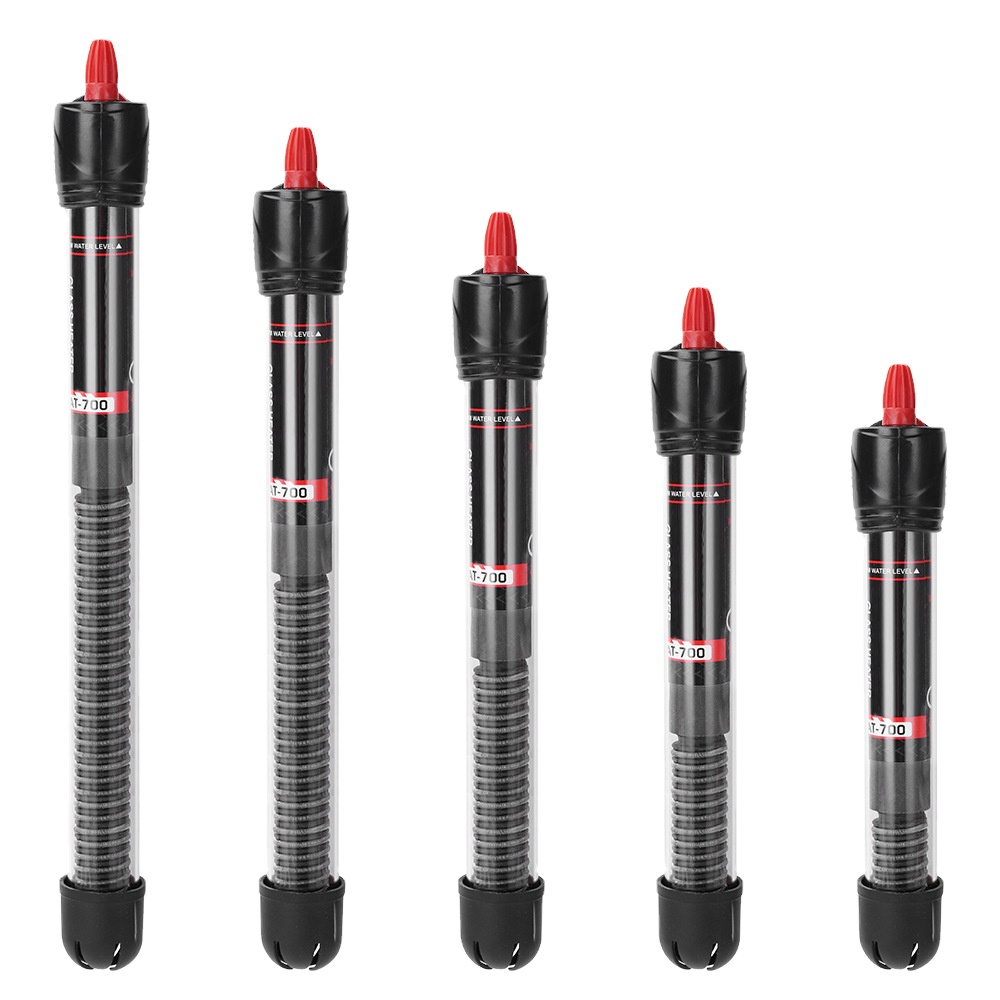
25W/50W/100W/150W/200W/300W Fish Tank Heater with Adjust Knob Thermostat and Free Thermometer Aquarium Heater
Read More


it is imperative to prioritize meticulous water quality filtration Factory Pioneers in the Field
Top Selling Products



- Related Blog
- Reviews

- English
- French
- German
- Portuguese
- Spanish
- Russian
- Japanese
- Korean
- Arabic
- Irish
- Greek
- Turkish
- Italian
- Danish
- Romanian
- Indonesian
- Czech
- Afrikaans
- Swedish
- Polish
- Basque
- Catalan
- Esperanto
- Hindi
- Lao
- Albanian
- Amharic
- Armenian
- Azerbaijani
- Belarusian
- Bengali
- Bosnian
- Bulgarian
- Cebuano
- Chichewa
- Corsican
- Croatian
- Dutch
- Estonian
- Filipino
- Finnish
- Frisian
- Galician
- Georgian
- Gujarati
- Haitian
- Hausa
- Hawaiian
- Hebrew
- Hmong
- Hungarian
- Icelandic
- Igbo
- Javanese
- Kannada
- Kazakh
- Khmer
- Kurdish
- Kyrgyz
- Latin
- Latvian
- Lithuanian
- Luxembou..
- Macedonian
- Malagasy
- Malay
- Malayalam
- Maltese
- Maori
- Marathi
- Mongolian
- Burmese
- Nepali
- Norwegian
- Pashto
- Persian
- Punjabi
- Serbian
- Sesotho
- Sinhala
- Slovak
- Slovenian
- Somali
- Samoan
- Scots Gaelic
- Shona
- Sindhi
- Sundanese
- Swahili
- Tajik
- Tamil
- Telugu
- Thai
- Ukrainian
- Urdu
- Uzbek
- Vietnamese
- Welsh
- Xhosa
- Yiddish
- Yoruba
- Zulu
- Kinyarwanda
- Tatar
- Oriya
- Turkmen
- Uyghur